Winter brings a very different kind of visitor to Dorset. Thousands of migratory birds travel from across northern Europe and beyond to spend the colder months on the Fleet Lagoon. In this blog, Tom Blay, Conservation Engagement Officer at the Wild Chesil Centre, explains what makes this internationally important habitat so special and highlights some of the fascinating species you may spot during a visit.
Every winter, thousands of birds travel vast distances to spend the colder months on the Fleet Lagoon, creating an incredible wildlife spectacle right here on Dorset’s doorstep. At the Wild Chesil Centre, we invite visitors of all ages to come and experience the sights and sounds of winter birdwatching and discover the fascinating stories behind these seasonal visitors.
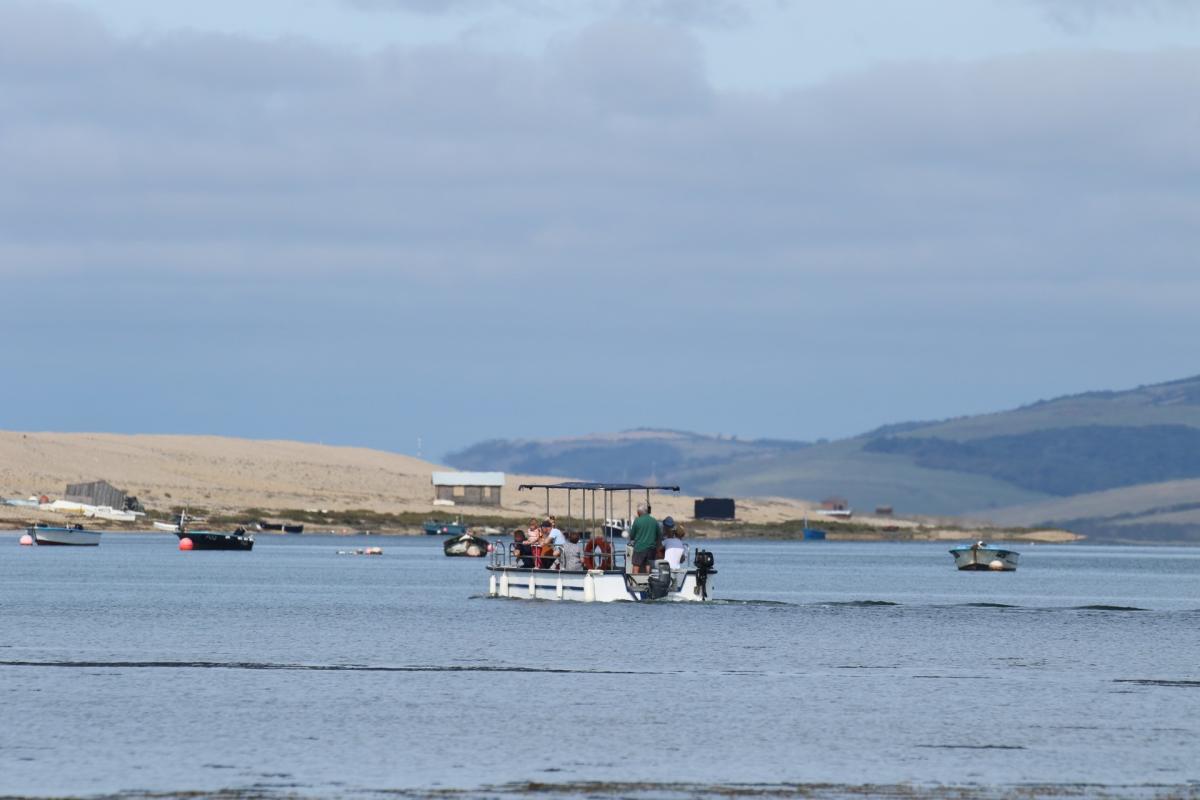
Looking out across the water we already have good numbers of over-wintering birds on the Fleet. The UK is one of the most important over-wintering bird locations in the world due to the warmer water surrounding it brought by the North Atlantic current and therefore an overall milder climate helped by the prevailing westerly winds.
We will see huge numbers of birds over the next few months all looking to build up their energy reserves in a milder climate ready to make the trip back to their respective breeding grounds. It is a crucial time for the birds as a lack of feeding opportunities caused by things like disturbance could mean that they won’t have the energy to make the trip back, so it is essential they are given every opportunity to feed on the low tides.
Brent geese - the characters of Chesil
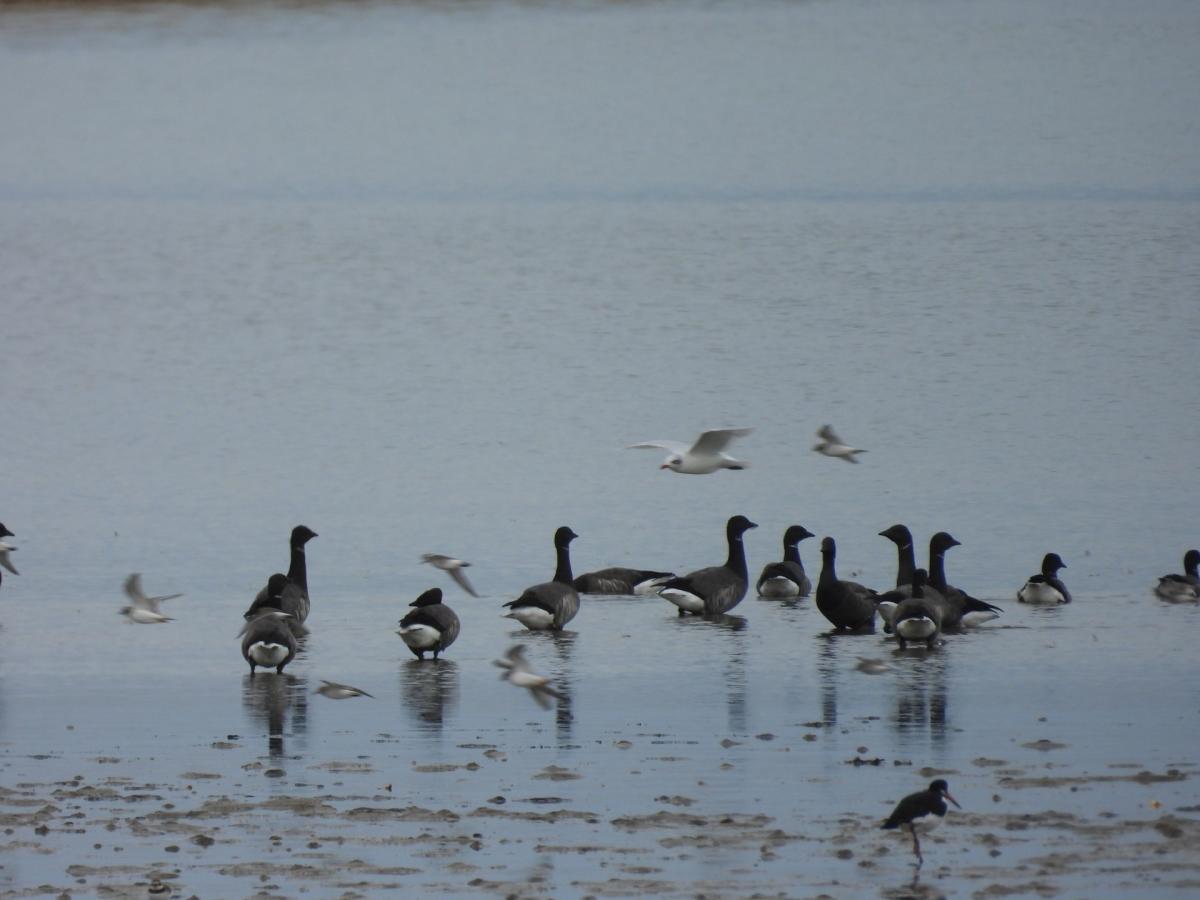
Across the Fleet lagoon you can see large numbers of dark-bellied brent geese having arrived all the way from northern Siberia and Russia with their black breast, black heads and white necklace. They over-winter here on the lagoon and spend their time socialising and feeding on marine algae and eelgrass. They are real characters and it’s a real treat to spend some time watching them interacting with each other.
Mediterranean gulls - the black heads, from the black sea
Over the years we have had increasing winter numbers of Mediterranean Gulls. They have made their long migration from the black sea and parts of Europe and have settled here in good numbers to feed here in the Fleet lagoon. Despite the title of this paragraph the gulls have lost their breeding plumage now and now instead of a black hood they sport a black smudge behind their eyes. Keep an eye out for them when out and about at Chesil.
The possibilities are endless
The Fleet lagoon has always played host to a wide range of birds, some more common than others. Keep a close eye out on the water and other species such as great northern diver, red-breasted merganser, great-crested grebes and little grebes may be visible.
Adventures for everyone – Explore Chesil
Chesil is also a place to learn, explore and get closer to wildlife through the events and activities at the Wild Chesil Centre. Throughout the year, the centre hosts guided walks, family wildlife sessions, birdwatching and hands-on marine activities that bring the Fleet Lagoon and its species to life.
We look forward to seeing you. Visit dorsetwildlifetrust.org.uk/wildchesilcentre
We  Wild Chesil Centre

Wild Chesil Centre
Discover Chesil Beach and the Fleet Lagoon through wildlife, walks, exhibits, boat trips and family...